
1. Consultation
Review goals, available electric-usage information, and the reason for considering solar.
Reduce exposure to future utility-rate increases by generating a portion of your electricity on-site. Energy Brite Solar plans residential systems around roof conditions, electricity use, electrical capacity, utility requirements, local permitting, battery goals, and budget.
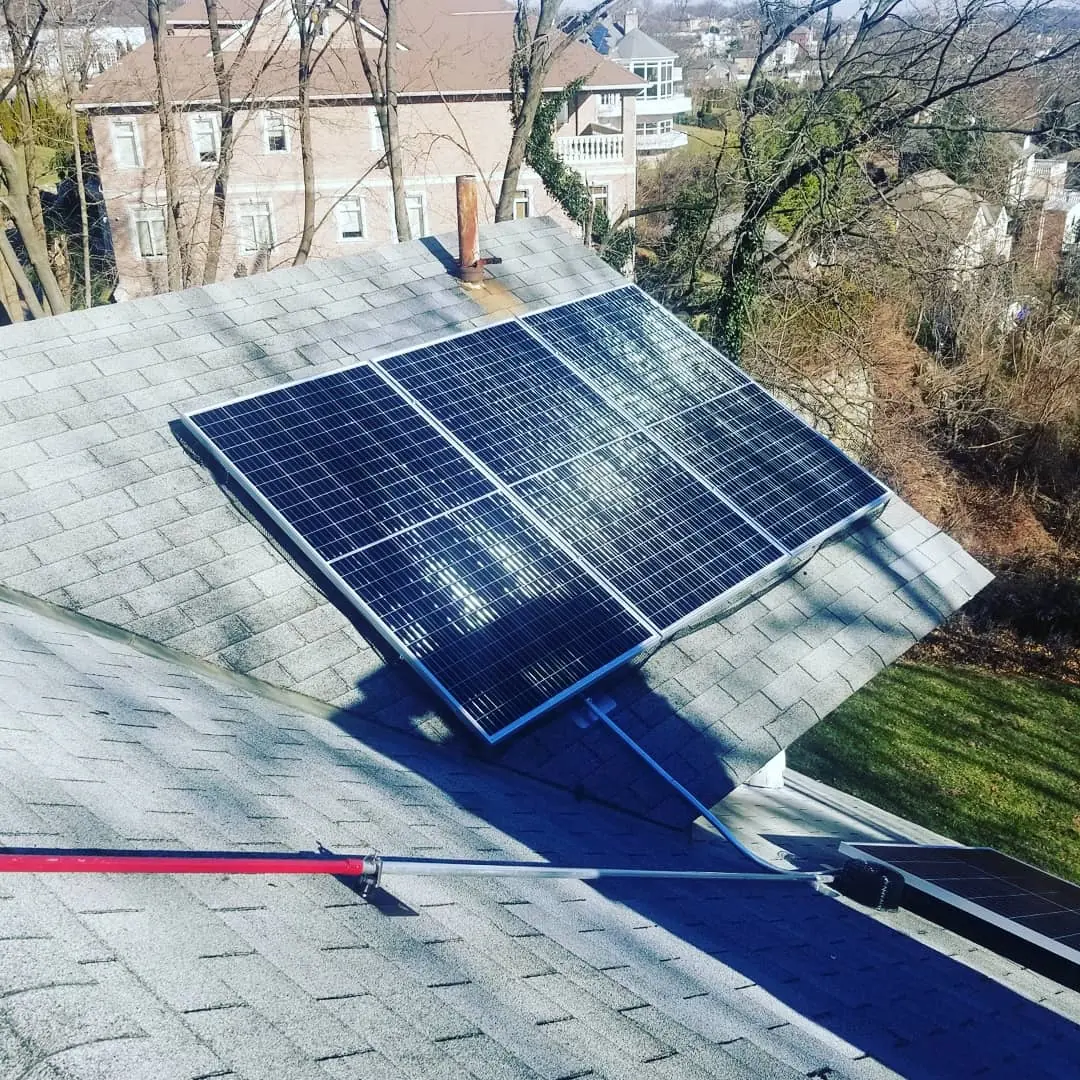
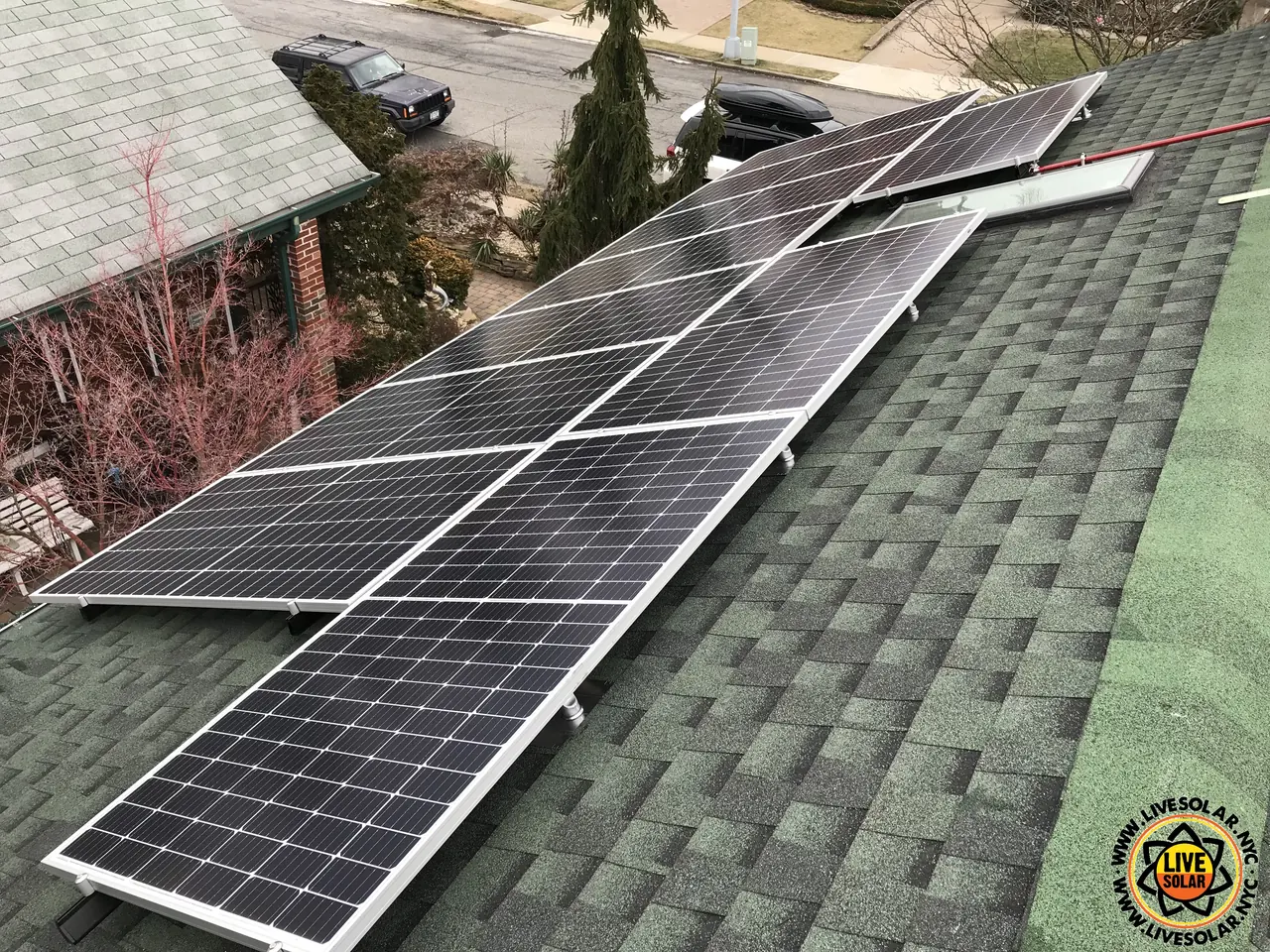
Review goals, available electric-usage information, and the reason for considering solar.
Evaluate roof condition, shading, accessible electrical conditions, and project fit.
Develop a preliminary concept around property, usage, utility, equipment, and budget.
Manage approved scope, permitting, installation, inspection, and utility coordination.
Support permission to operate and provide applicable closeout documents.
Actual production and savings depend on system size, roof conditions, shading, weather, utility tariffs, energy usage, equipment performance, financing terms, and applicable program rules.
Plan beyond the installation
This free preliminary service uses property and utility information to evaluate the technical and economic suitability of residential solar.
Explore the Free Solar Savings AnalysisReview roof, electrical, battery-readiness, and documented energy-performance conditions that may affect project feasibility or sequence.
Explore Solar ReadinessConsider critical loads, outage goals, utility rules, available space, electrical capacity, equipment compatibility, and budget.
Explore Solar + Battery StorageRequest diagnostics, preventive maintenance, inverter or monitoring support, roof-leak investigation, or other existing-system service.
Explore Solar Maintenance & RepairsBattery storage can provide backup power, increase self-consumption, shift energy use away from higher-cost periods, and support future energy needs. The correct configuration depends on critical loads, outage goals, utility rules, available space, equipment compatibility, and budget.
Backup depends on the selected equipment and configuration; it should not be assumed to power the entire home or operate indefinitely.
Solar projects may involve separate manufacturer warranties, workmanship warranties, roof warranties, monitoring-service terms, and utility approvals. Energy Brite Solar explains which party is responsible for each component and what documentation the homeowner should retain.
Retain the written project agreement, applicable manufacturer and workmanship warranties, roof and monitoring-service terms, and utility-approval documents.
Project timing depends on roof and electrical readiness, design, equipment, local permitting, inspections, utility interconnection, and the agreed scope.
Roof condition is reviewed during qualification. Complete or coordinate necessary work before installation, or plan removal and reinstallation for an existing system.
Yes. Service rating, busbar and breaker capacity, grounding, disconnects, rapid shutdown, battery loads, utility requirements, and code requirements can affect scope. A solar-readiness review can help identify conditions that need further evaluation.
Only when the system configuration and backup equipment support it. Standard grid-connected solar should not be assumed to provide outage power.
Yes. Battery storage can be considered during a new solar project or reviewed for an existing compatible system. Configuration depends on critical loads, outage goals, utility rules, available space, electrical capacity, equipment compatibility, and budget. It should not be assumed to provide whole-home or indefinite backup. Learn about solar + battery storage.
Yes. Municipal permits, inspections, and utility requirements vary by jurisdiction. Different municipalities may require different project information, and municipal review, inspection scheduling, and utility coordination can extend the project timeline.
Preventive service may include visual inspection, monitoring review, production comparison, fault-history review, debris and vegetation assessment, accessible connection checks where appropriate, roof and flashing observations, and a written summary of findings and recommended next steps. Service scope depends on the equipment, access, findings and written agreement.
Retain the written project agreement and applicable equipment, workmanship, roof, monitoring, and utility-approval documents. Energy Brite Solar explains which party is responsible for each component and what documentation to retain.
For a system installed by another company, submit the available system records and reported concern for review. Any accepted service scope depends on equipment, access, findings, and the written project agreement.
No website estimate is a guarantee. Results depend on property, usage, weather, utility, equipment, financing, and program variables.